fitness centers and personal trainers use the platform
AppyBee is an all-in-one management platform that helps gym owners, martial arts schools, boxing clubs, and personal trainers automate class bookings, subscription management, and payment processing. The platform saves owners 10–15 hours per week on administration, increases member retention by 20%, and replaces physical membership cards with QR code-based access control.
Fitness centers and trainers use the platform
We started building AppyBee from scratch in 2017. Today, 800+ fitness centers and trainers across the Netherlands use the platform on web, iOS, and Android. With a 4.6-star rating across 57 reviews on Trustindex, AppyBee has become the go-to solution for Dutch fitness businesses looking to eliminate manual admin work and keep members engaged through automated booking and payment workflows.
Features
Flexible Booking
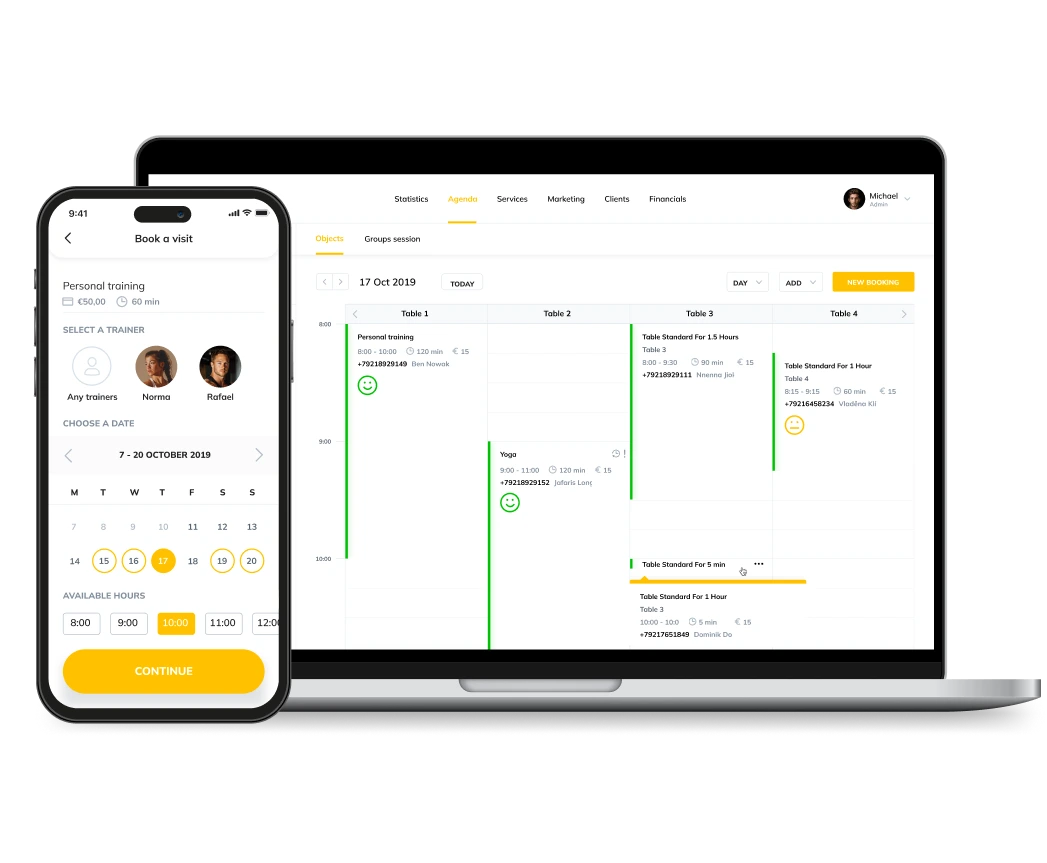
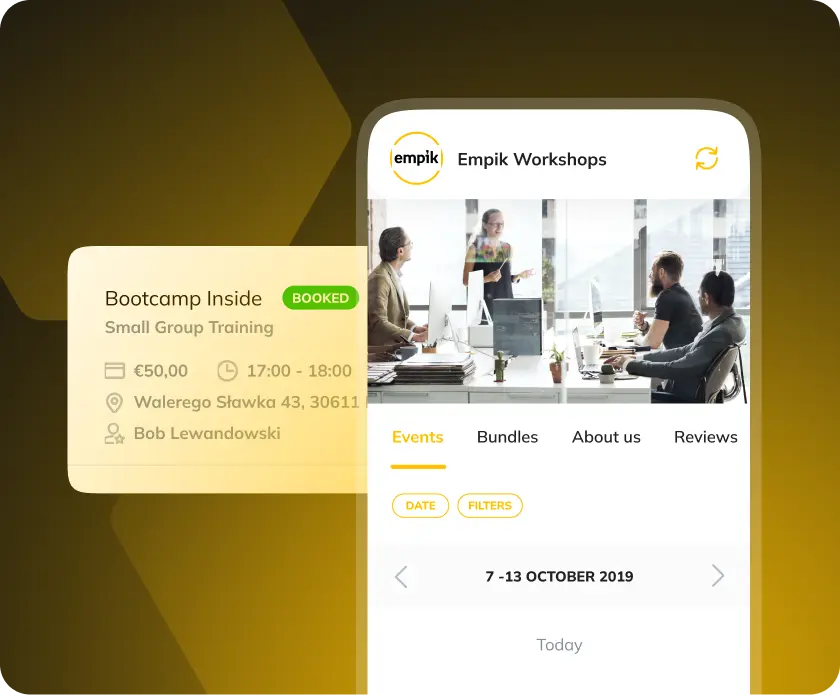
Gym owners publish class schedules and let members book and pay online instantly. Customers use a responsive web interface or a branded React Native mobile app to view real-time calendars, book sessions, and manage their plans. The platform supports multiple booking types:
One-time visits
Time-based memberships
Packages with a fixed number of sessions
Subscription Logic
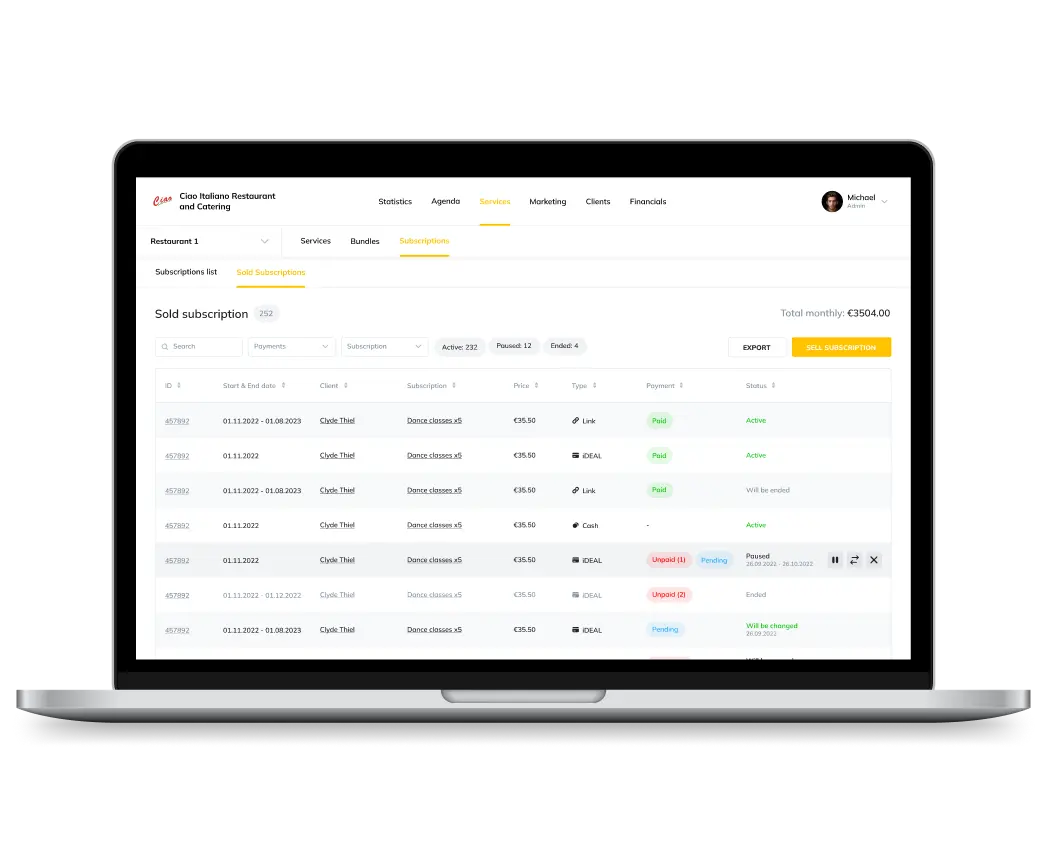
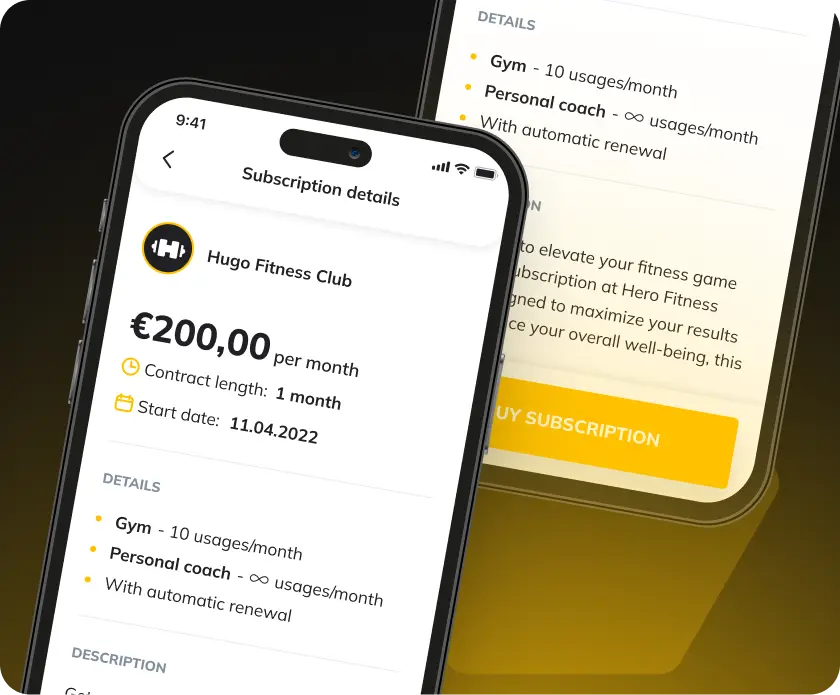
AppyBee supports every access model fitness businesses need: continuous recurring memberships, prepaid class packs (strip cards), and trial sessions. Members can pause their subscription, and the system automatically reactivates it based on the club’s rules — no manual intervention needed. Automated overdue payment follow-ups ensure consistent cash flow without chasing clients.
Booking Widget for Fitness Websites
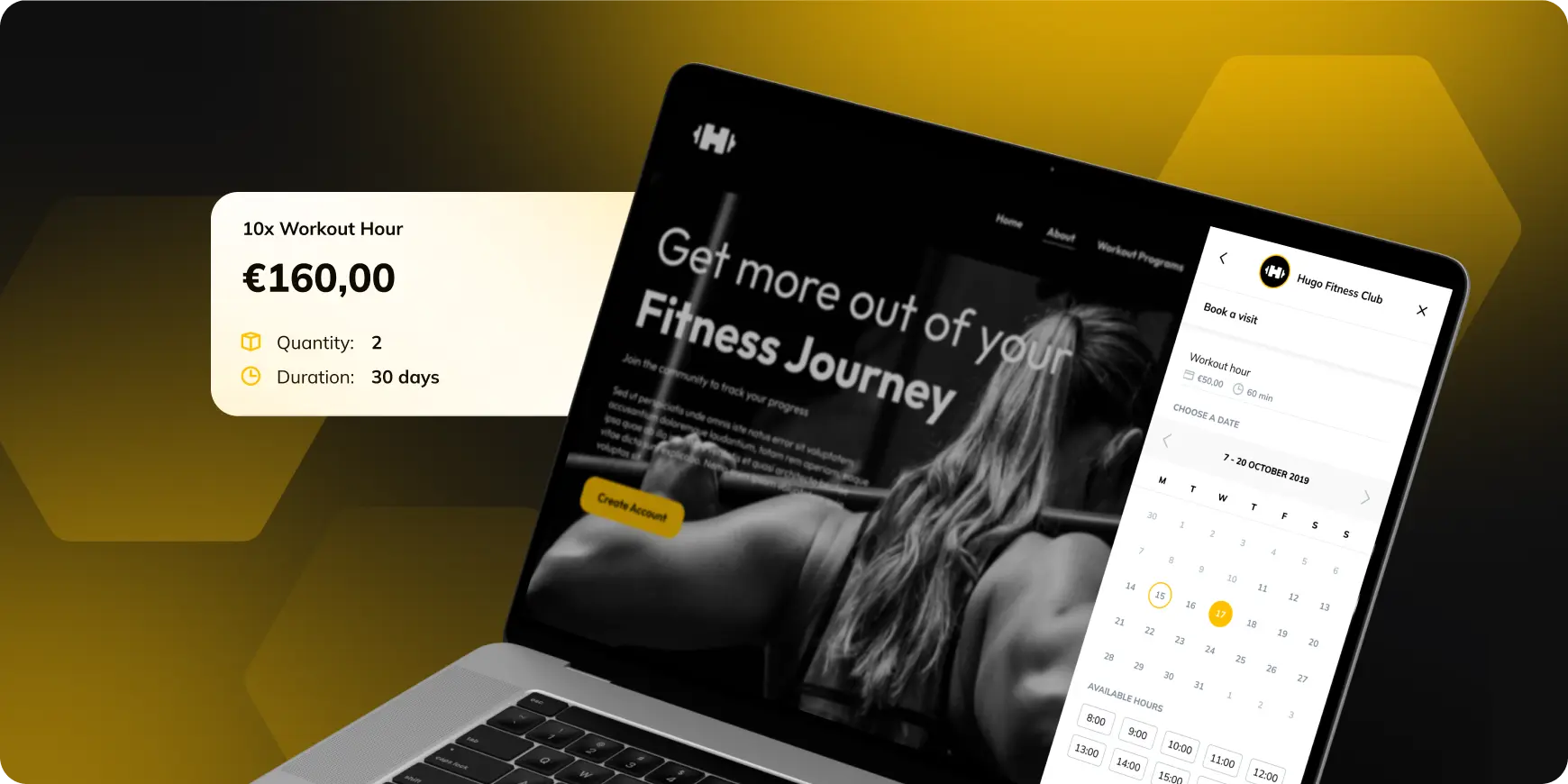
Gyms embed the AppyBee booking widget directly on their existing website — no redesign required. Members can register, browse schedules, book classes, and manage their subscriptions right from the club’s own site, creating a seamless branded experience that drives conversions.
Integrated Local Payments
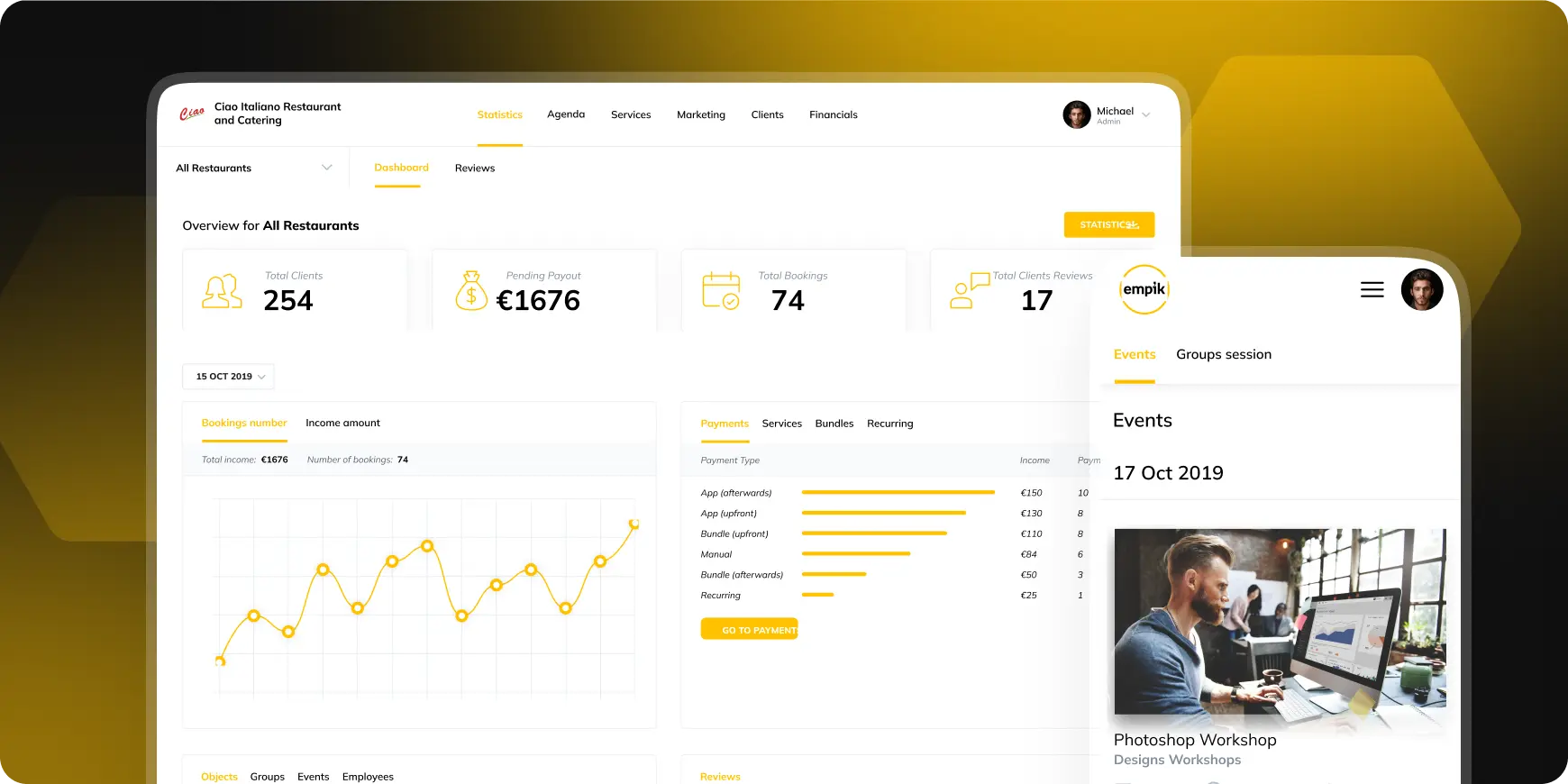
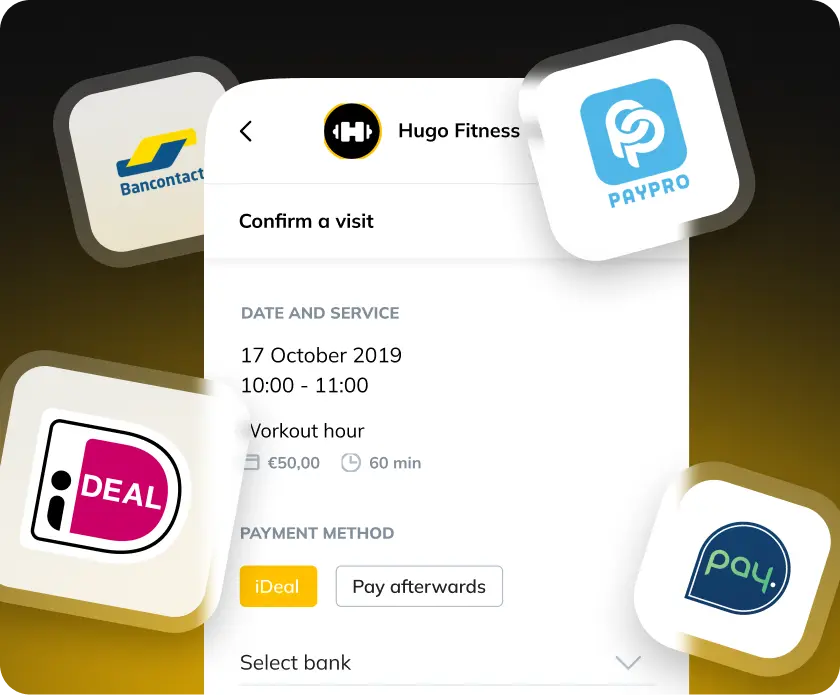
Fully automated payment processing with zero manual effort. The platform supports Dutch and European payment methods including iDEAL, Bancontact, SEPA direct debit, Pay.nl, Pay.pro, and all major cards. Overdue invoices trigger automatic follow-up sequences. Owners track payment status in real time and export financial data for seamless accounting.
Web and Mobile Access
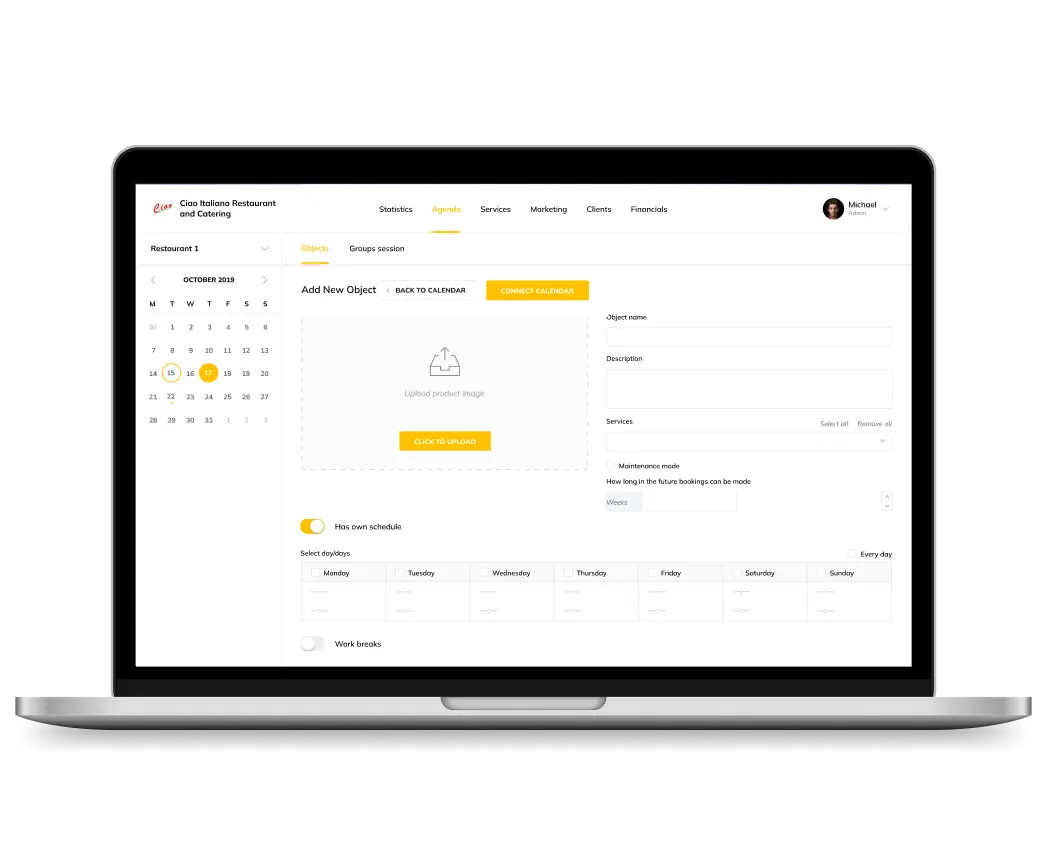
AppyBee runs on web browsers and dedicated mobile apps for iOS and Android, built with React Native for a fast, native experience. Staff manage schedules, track attendance, and handle payments from any device. Members book classes, check in via QR code, and receive targeted push notifications — all from one app. Available in Dutch, English, and German.
Technologies
The architecture connects embeddable website widgets, React Native mobile apps, and multiple European payment providers into a single automated booking and subscription workflow — all hosted on AWS with microservice backend for independent scaling.
🖥Platform Web, iOS, Android
🔮 Frontend JavaScript, TypeScript, React.js
📱 Mobile apps React Native
⚙️ Backend PHP and Node.js with microservice architecture
🔁 Real-time communication Socket.io for notifications and live updates
We developed AppyBee from the ground up as a full SaaS product — web platform, iOS app, Android app, embeddable widget, and payment integrations. Today it serves 800+ fitness centers and trainers, with two pricing tiers (Essentials at EUR 89/month and Enterprise at EUR 299/month) and unlimited members included.
Ready to Start Your Project?
Contact us and we'll discuss your project or use the calculator for a quick initial quote.
Within 24 hours you get a realistic estimate, technical recommendations and next steps. Free, no obligations.
01
A senior architect reads itReply the same business day, Mon–Fri.
02
30-min call to scope itWe ask the questions that change the budget.
03
Estimate in 24 hoursBudget, timeline, architecture notes. Yours to keep.
Got it — your message is in. A real engineer will reply within 24 hours with a realistic estimate and next steps. Check your inbox (and spam, just in case).
Hmm — that didn’t go through. Please try again. If the issue keeps happening, email us at eager2develop@forasoft.com and a real engineer will pick it up.