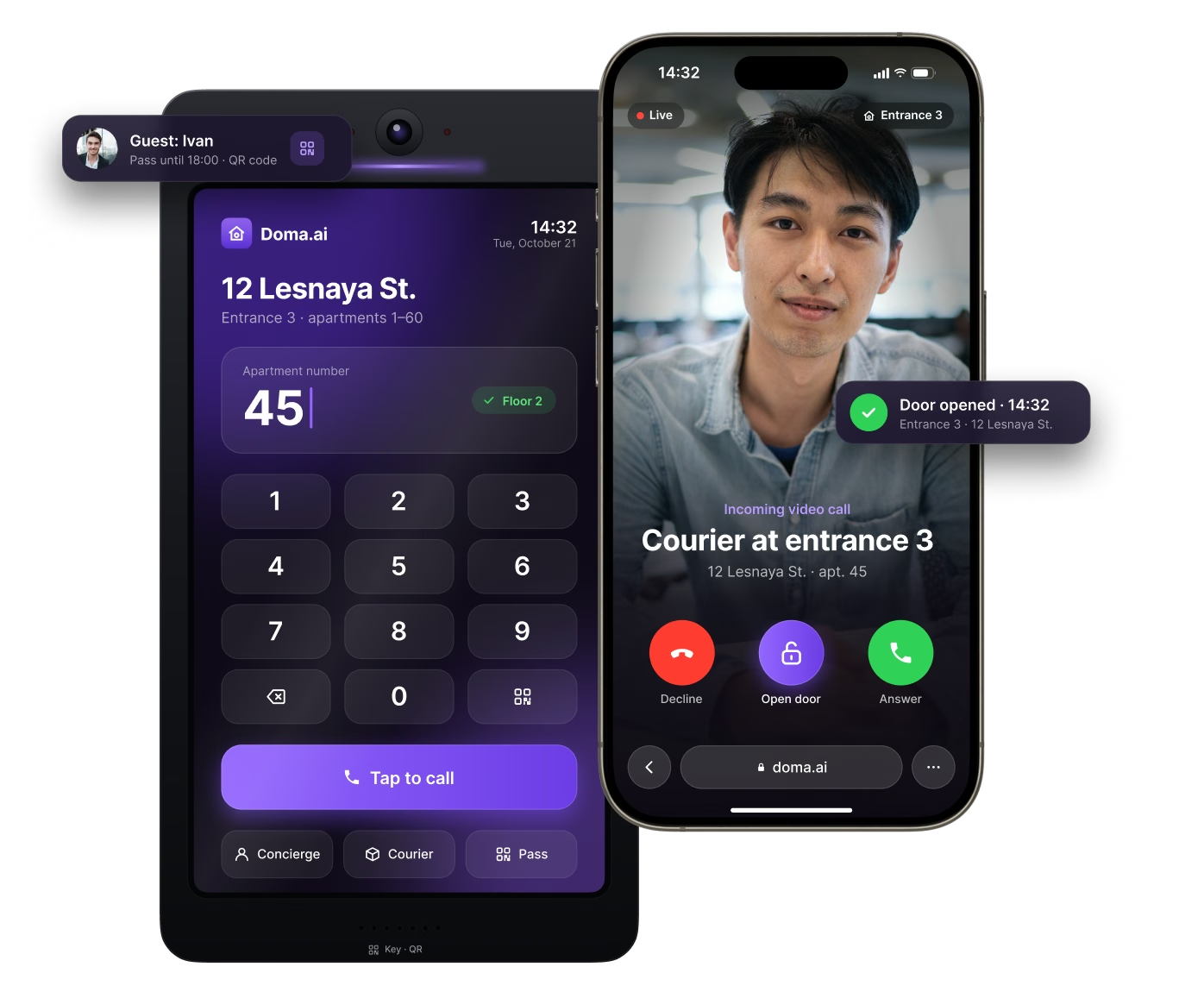
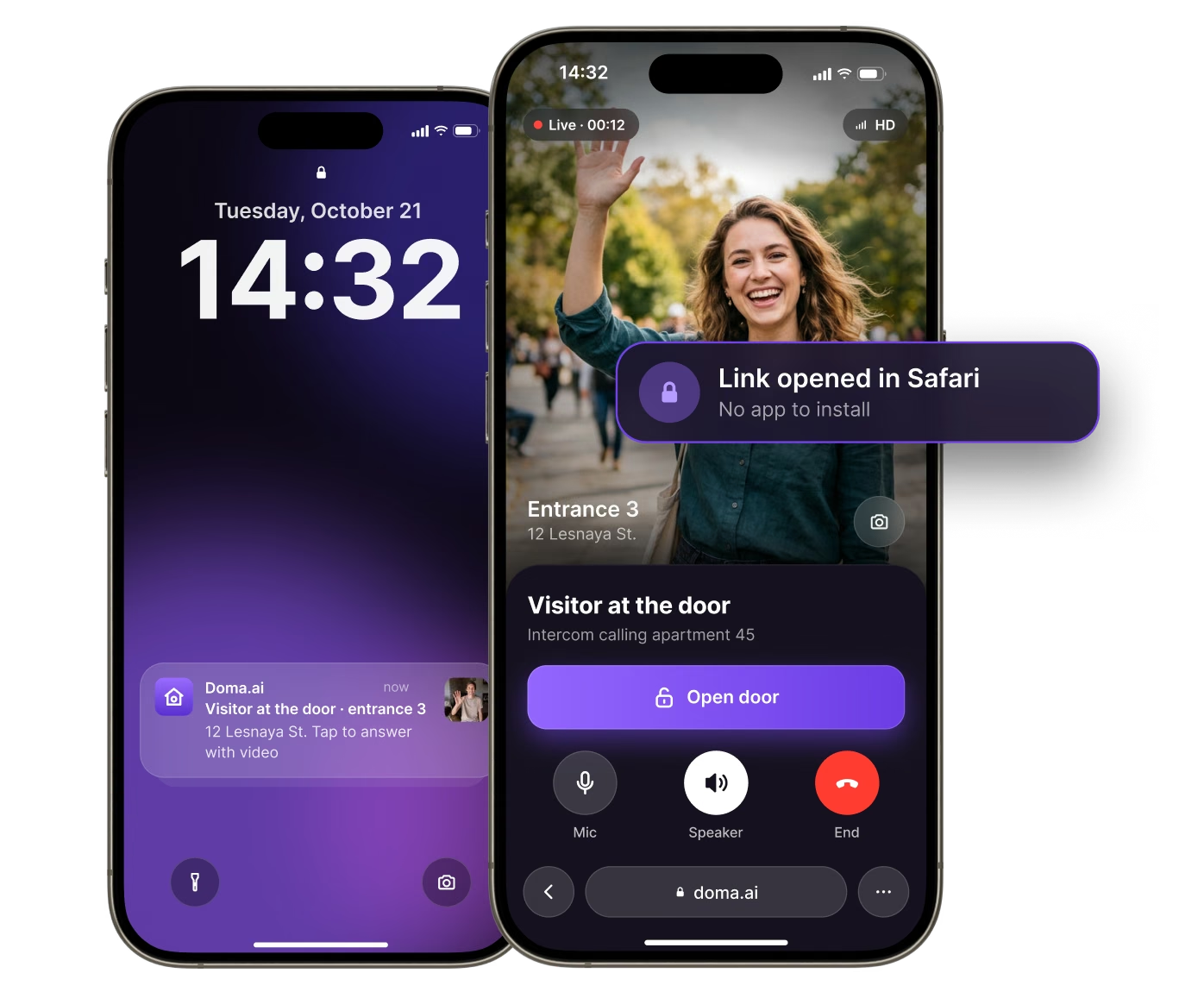
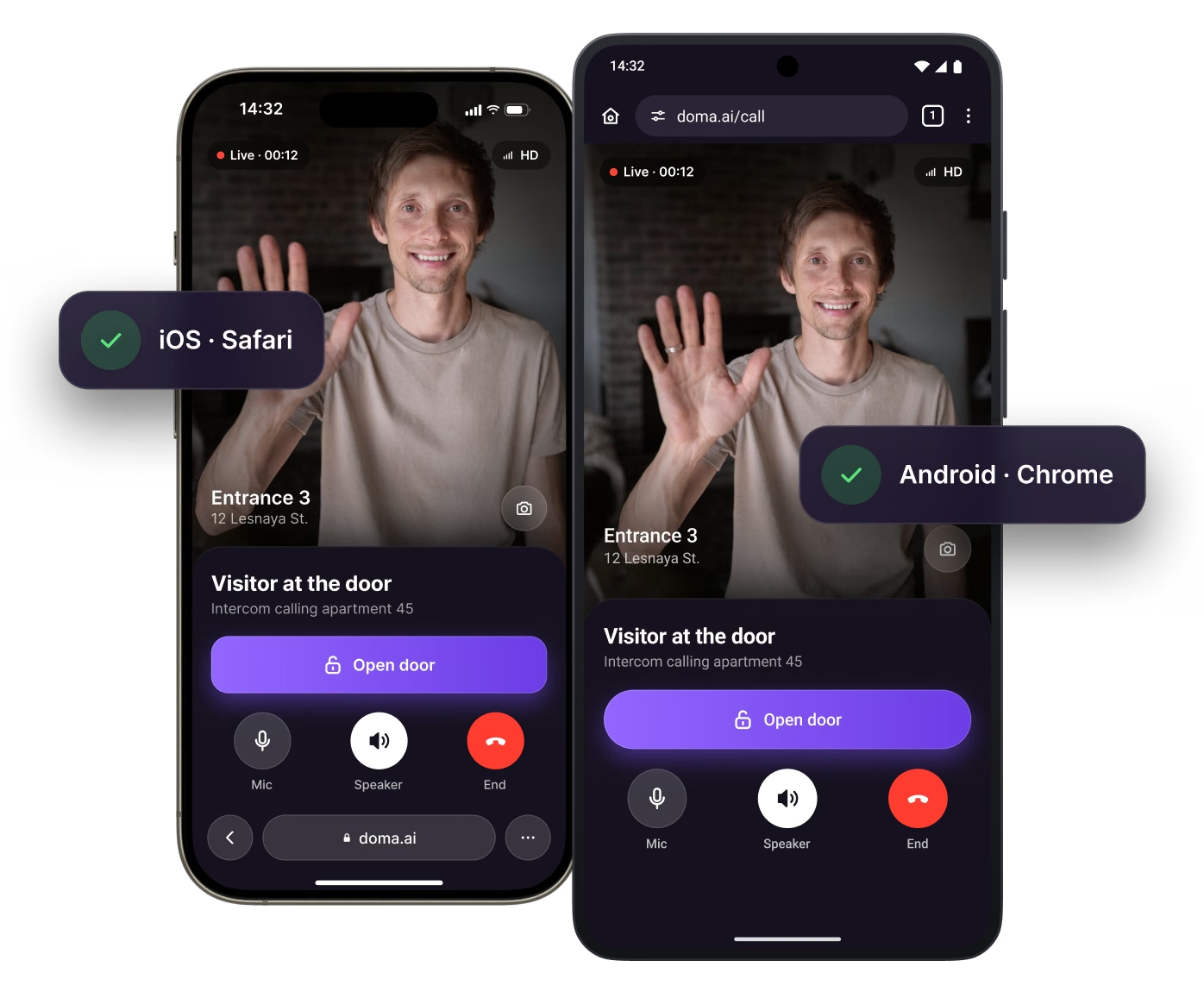

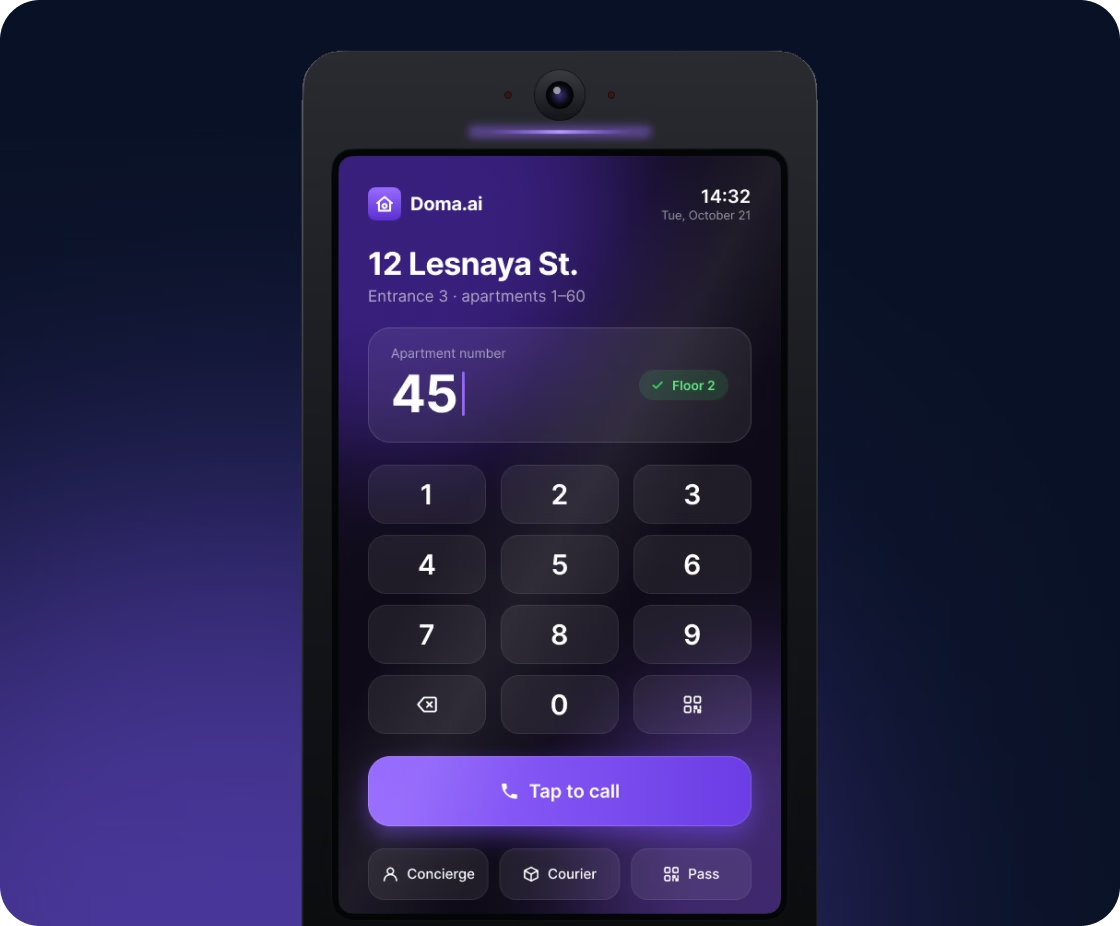
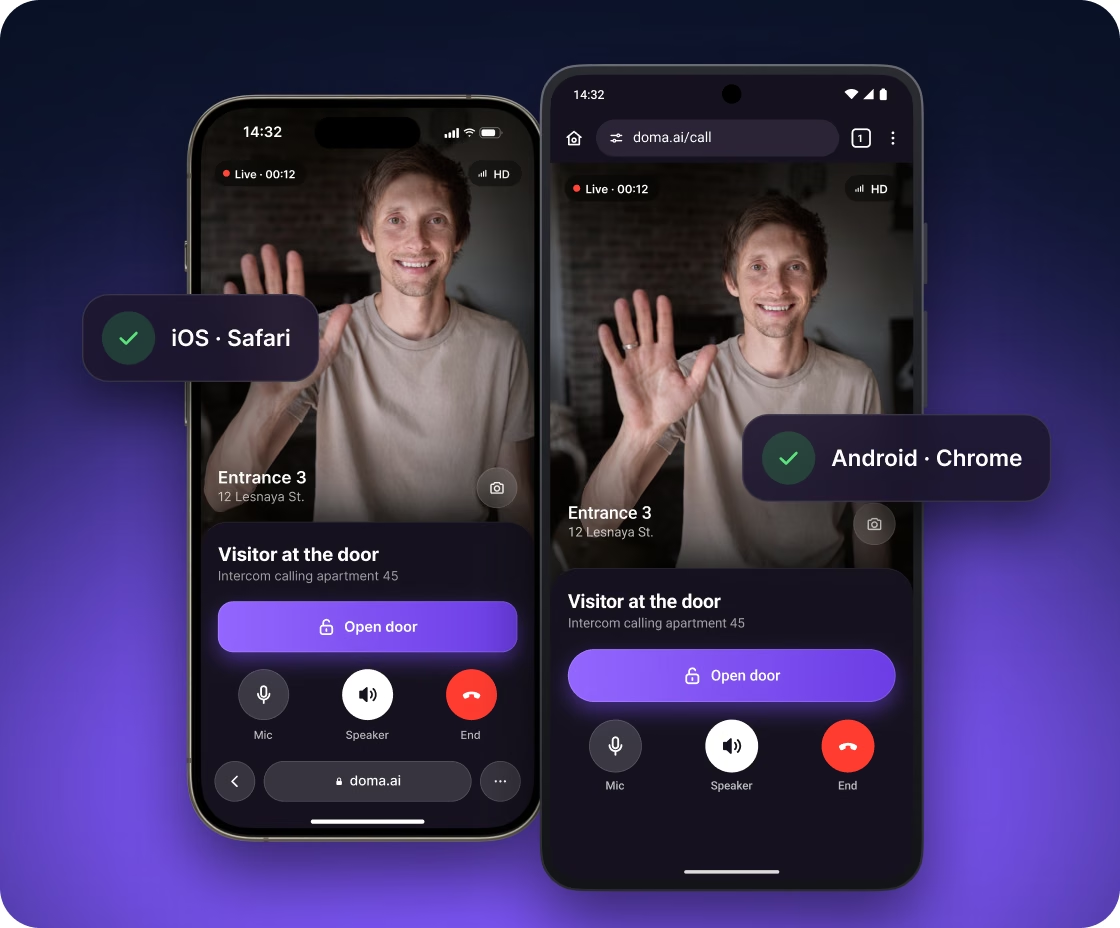
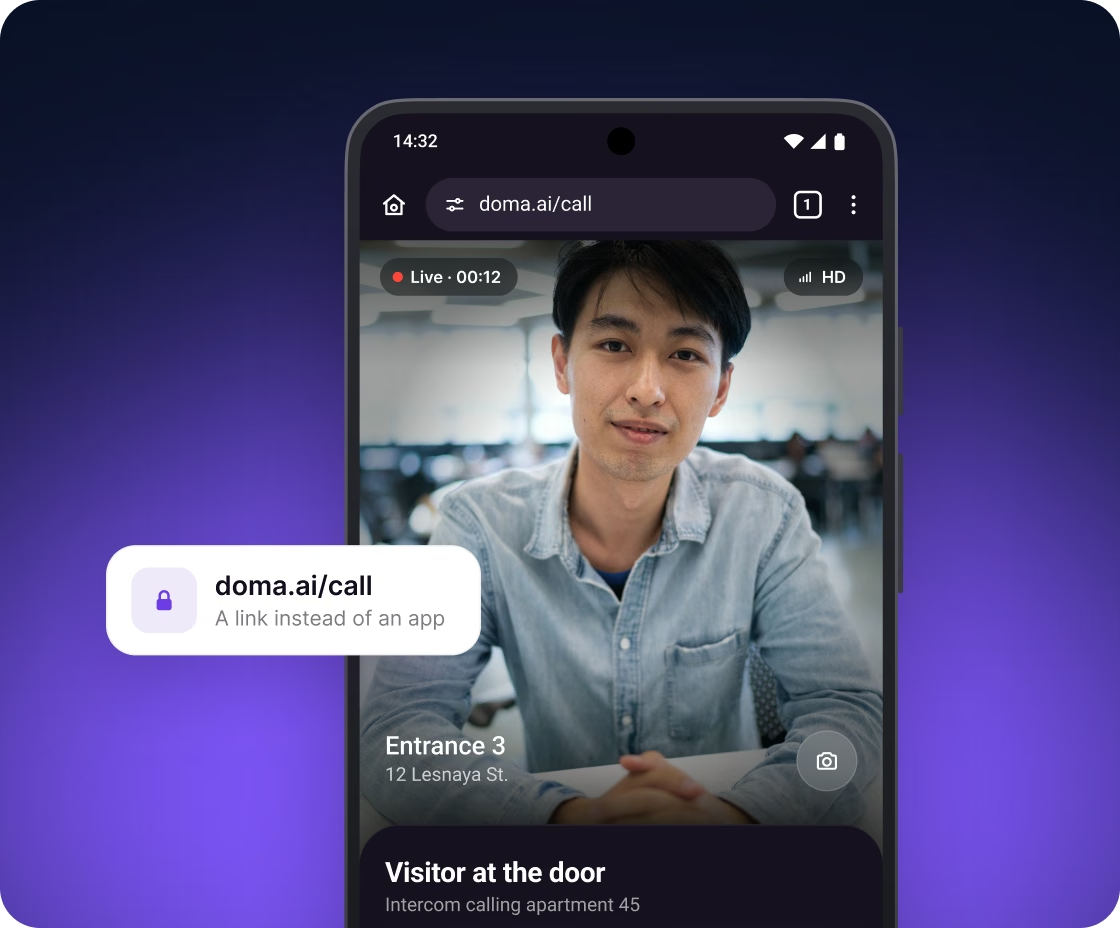
Residents answer the intercom from an iPhone or Android phone without installing a separate calling app.
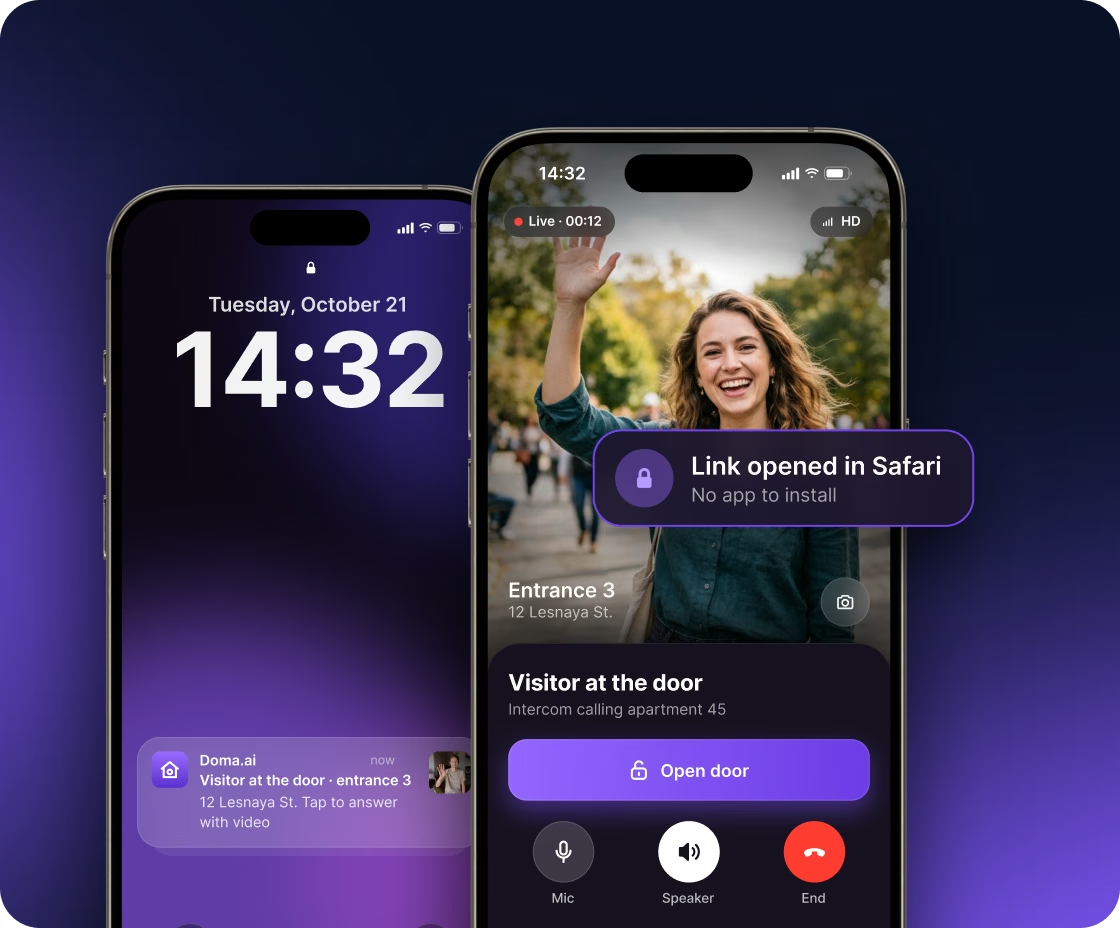
The first version, started in March 2024, connected Bas-IP intercoms to mobile browsers. We set up a FreeSWITCH SIP server with video support (the mod_av module) and built the call page. A call goes like this:
In the first version a test link stood in for the notification; in production the client's backend sends it. We tested the page in mobile Safari and Chrome on iOS and Android and handed the first version to the client for testing in April 2024.
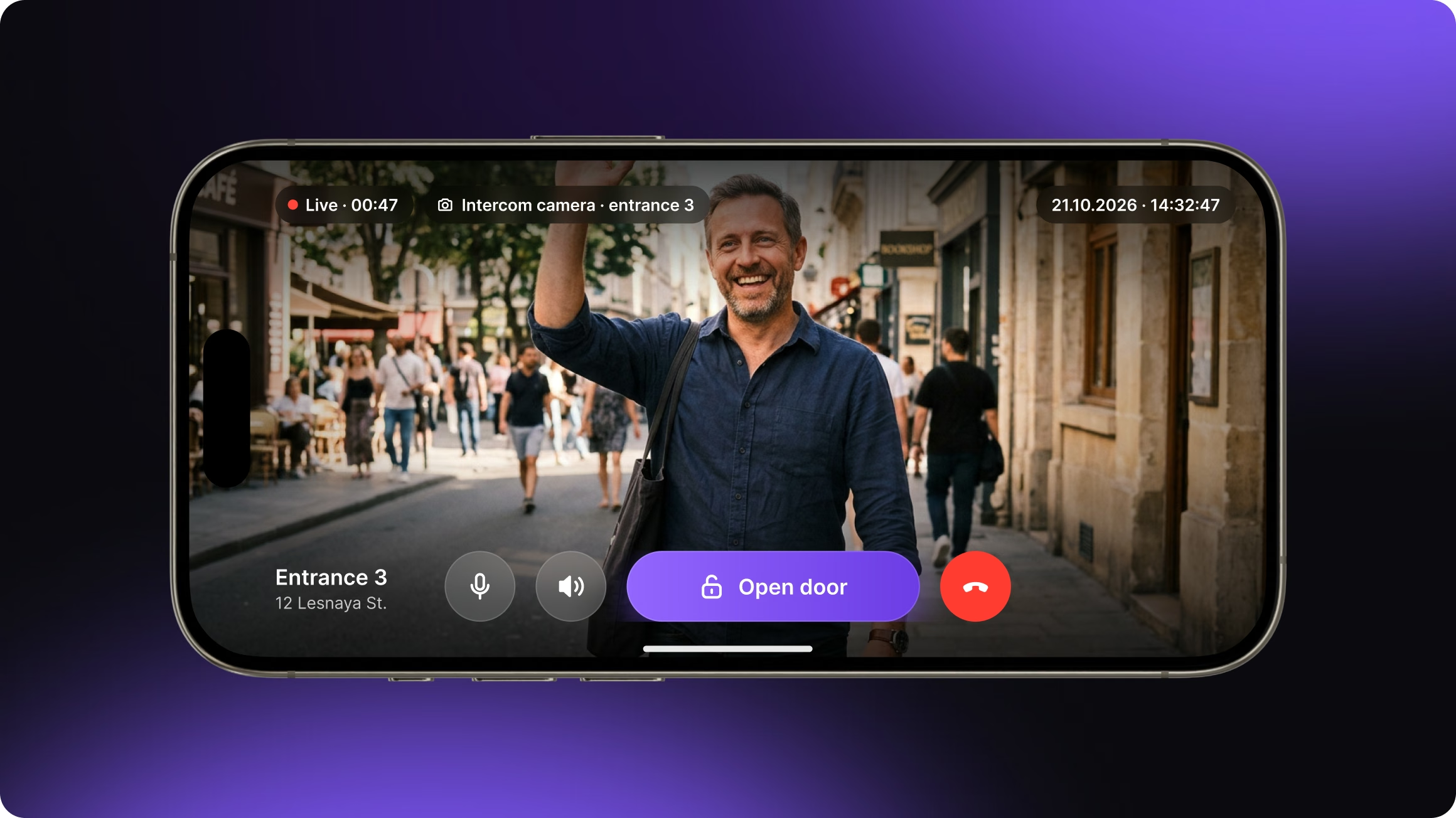
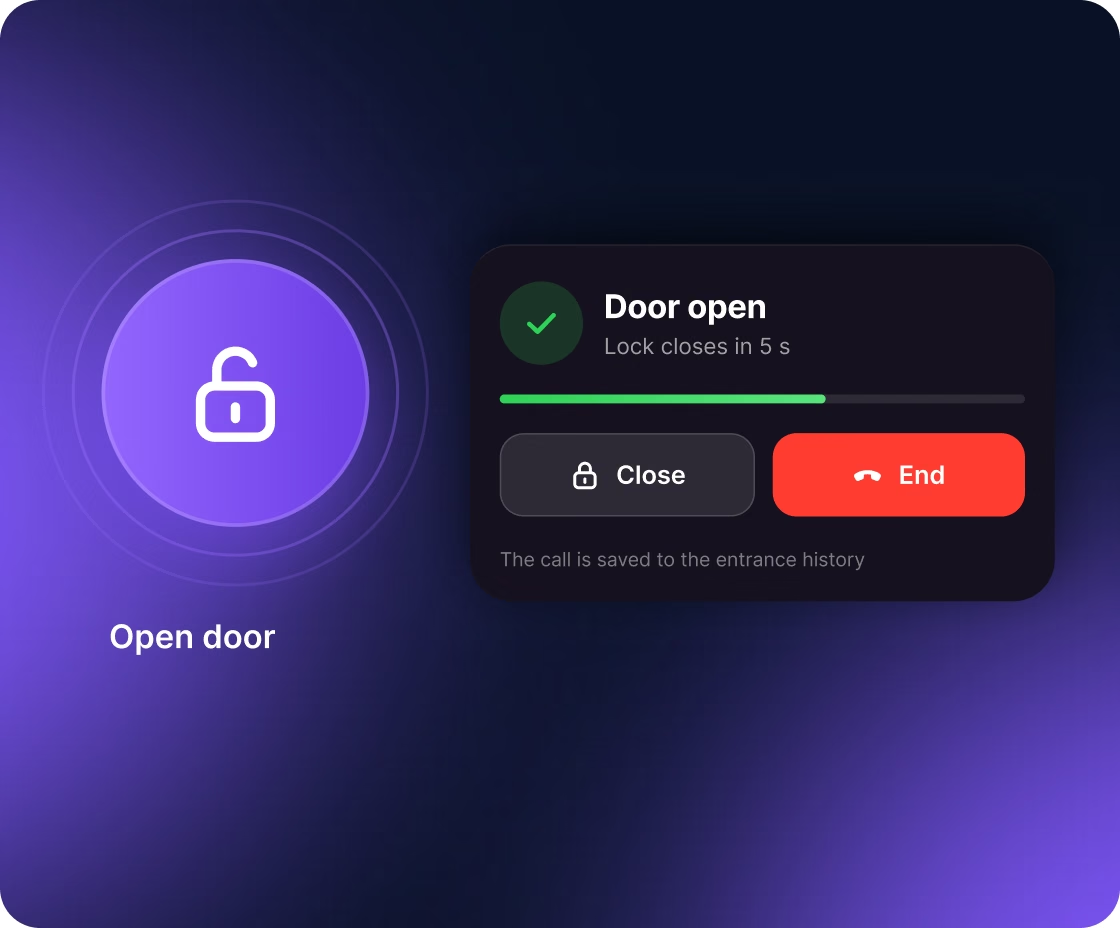
The resident lets the visitor in without leaving the call.
The open-door button sends the panel a DTMF command, the tone a push-button phone makes when a key is pressed, which Bas-IP panels already support.
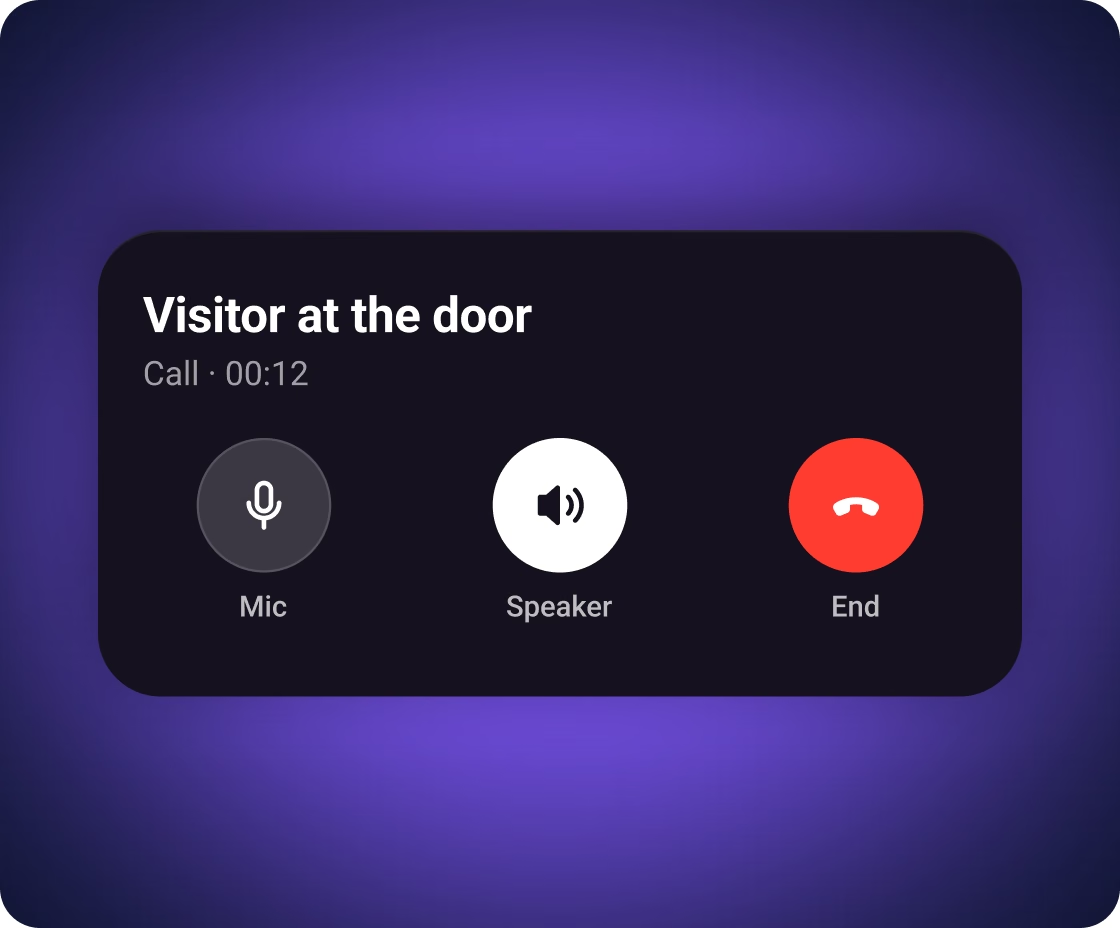
A visitor no longer stands at a silent panel wondering whether the call went through.
Before, the server picked up the call at once to start reaching the resident, so the panel went quiet while the resident's phone was still ringing. In October 2024 we fixed this: the visitor now hears a ringing tone until the resident answers.
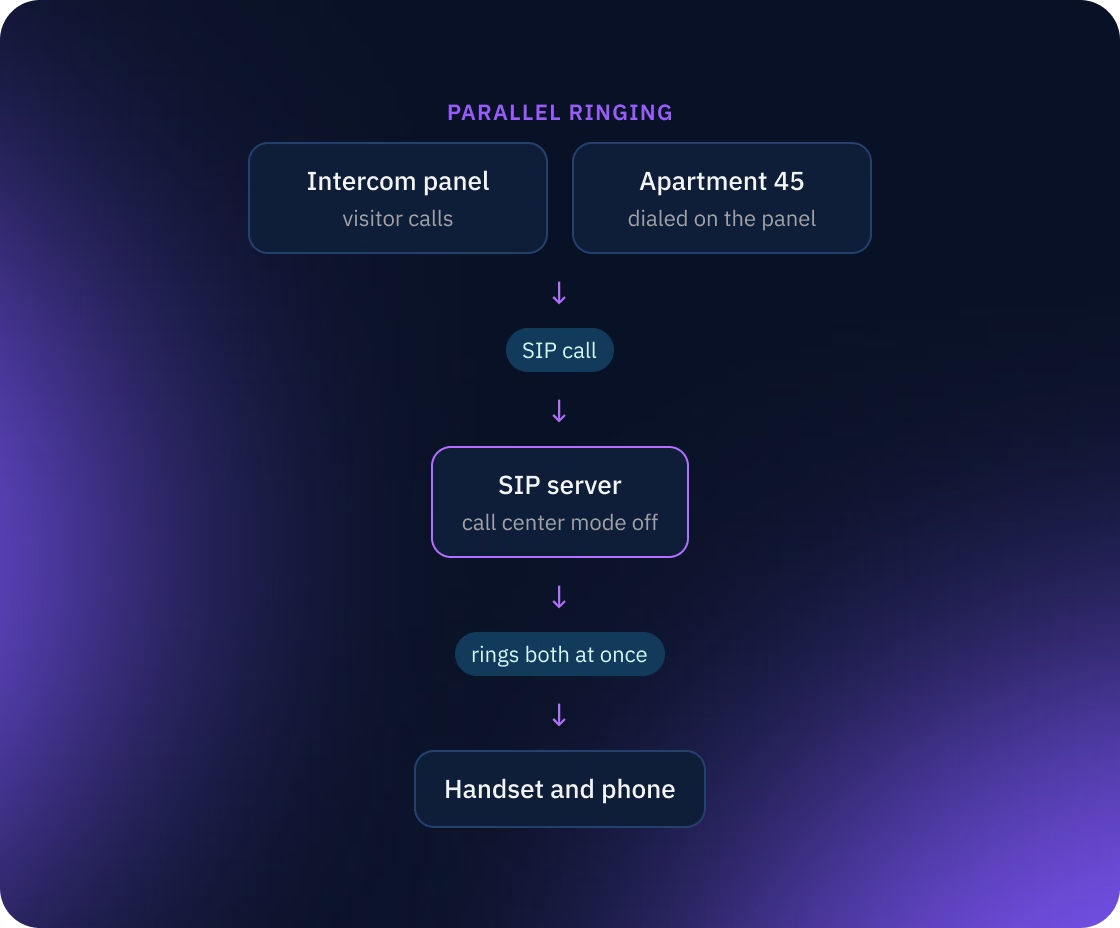
Residents who still have an in-apartment handset can answer either on it or on their phone.
The production server ran in call center mode, which places calls in queues and so could not ring the in-apartment handset and the phone in parallel. We switched that mode off and rebuilt call routing without it. The change affected how every call is set up, and the new routing passed testing with the client in March 2025, after several rounds.
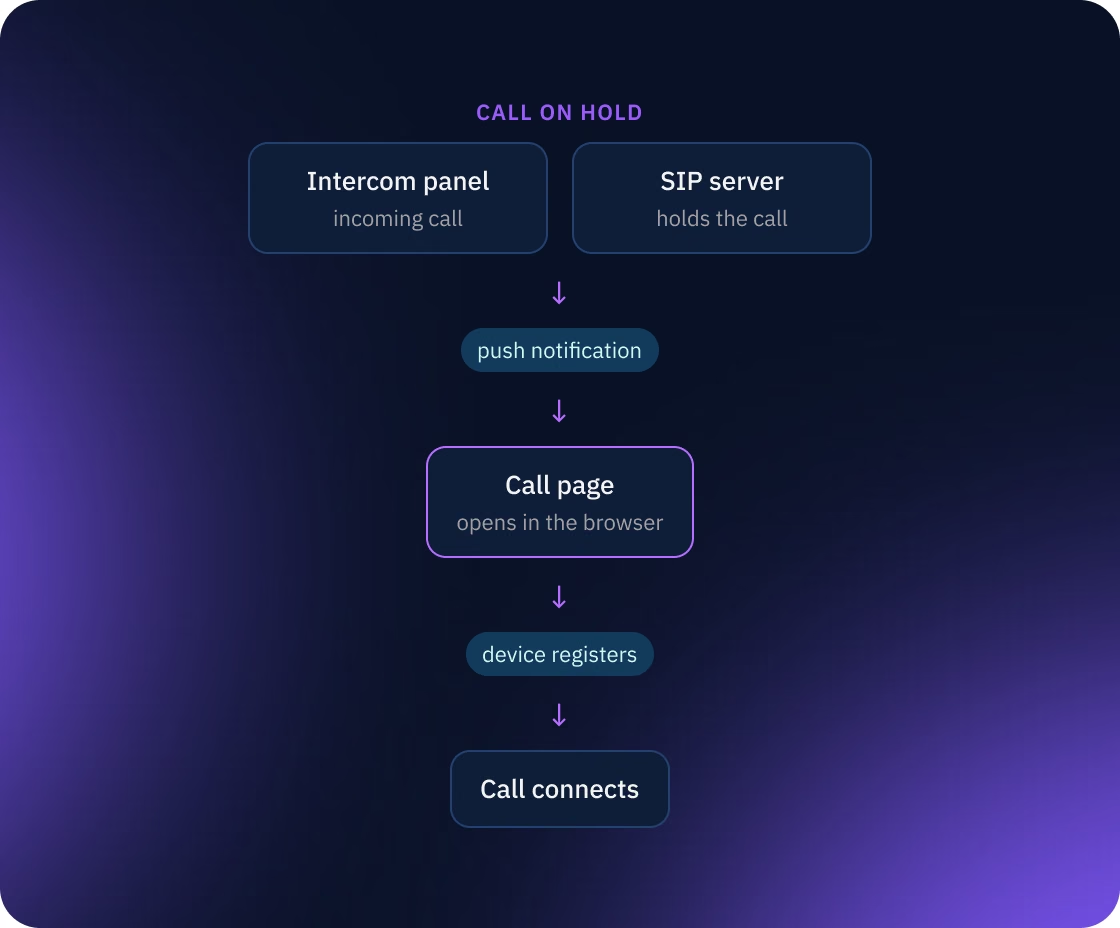
An incoming call waits for the resident while the push notification arrives and the call page opens.
The resident's browser connects to the SIP server only after the notification arrives and the page opens. In December 2024 we added a script that holds an incoming call until the resident's device connects, and in April 2025 a script that catches the moment a device registers with the SIP server. In June 2025 we rewrote the script that withdraws a call notification once it is no longer needed.
Most phones sit behind a mobile operator's network or a home router, which makes it harder for the video to reach them.
In October 2024 we set up a STUN server, which helps a phone learn its public address so the video can reach it. From spring 2025 we worked on converting the intercom video for iPhones, whose browsers accept fewer video formats, and on calls that arrived without video.
The client had no SIP server specialists of its own and handed the server's support and development to us.
From September 2024 we supported the production server and developed it further: we handled problems reported from live buildings, such as calls that stopped coming through and sound issues, and in December 2025 worked on server stability.

You get a realistic estimate, technical recommendations and next steps. Free, no obligations.