Improving audio quality and developing AI translation for multilingual events
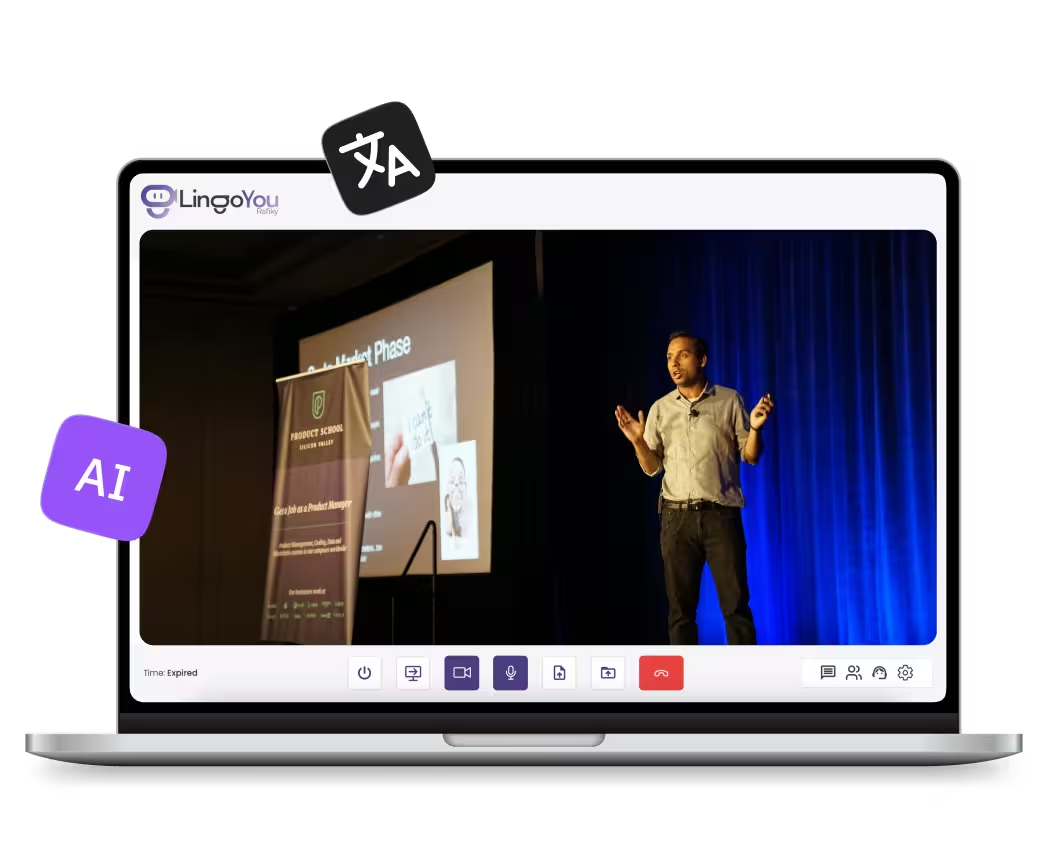
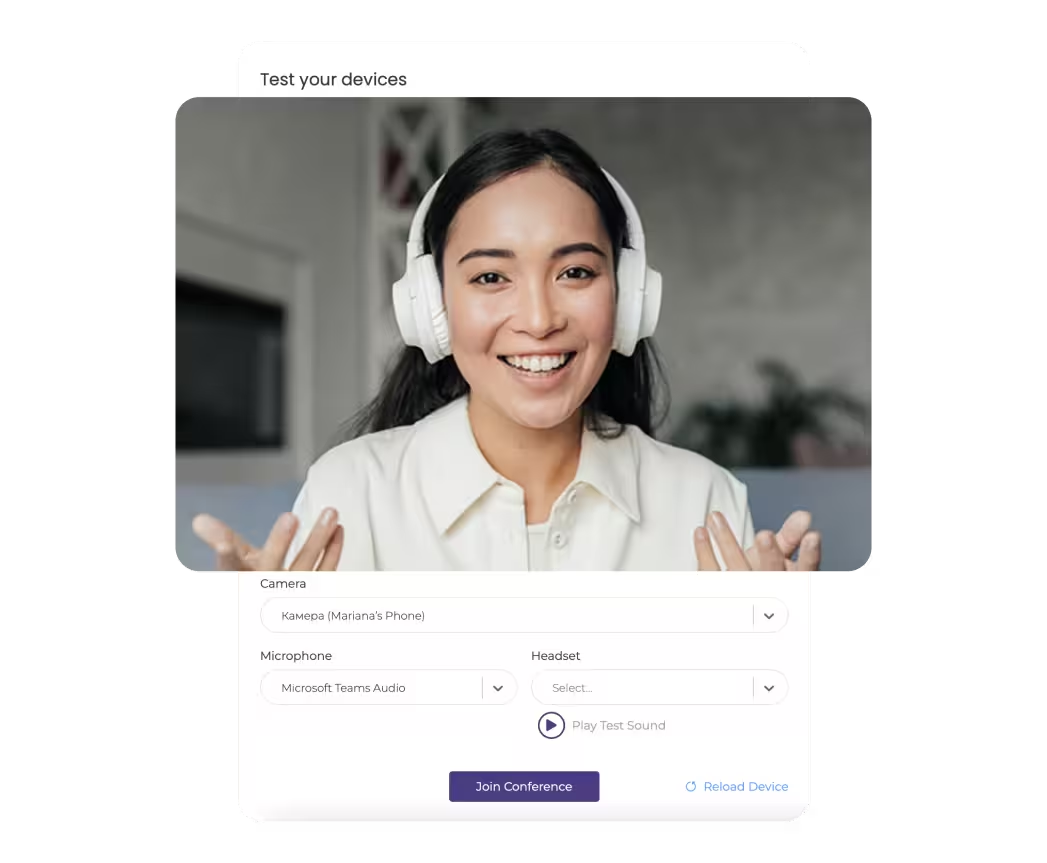
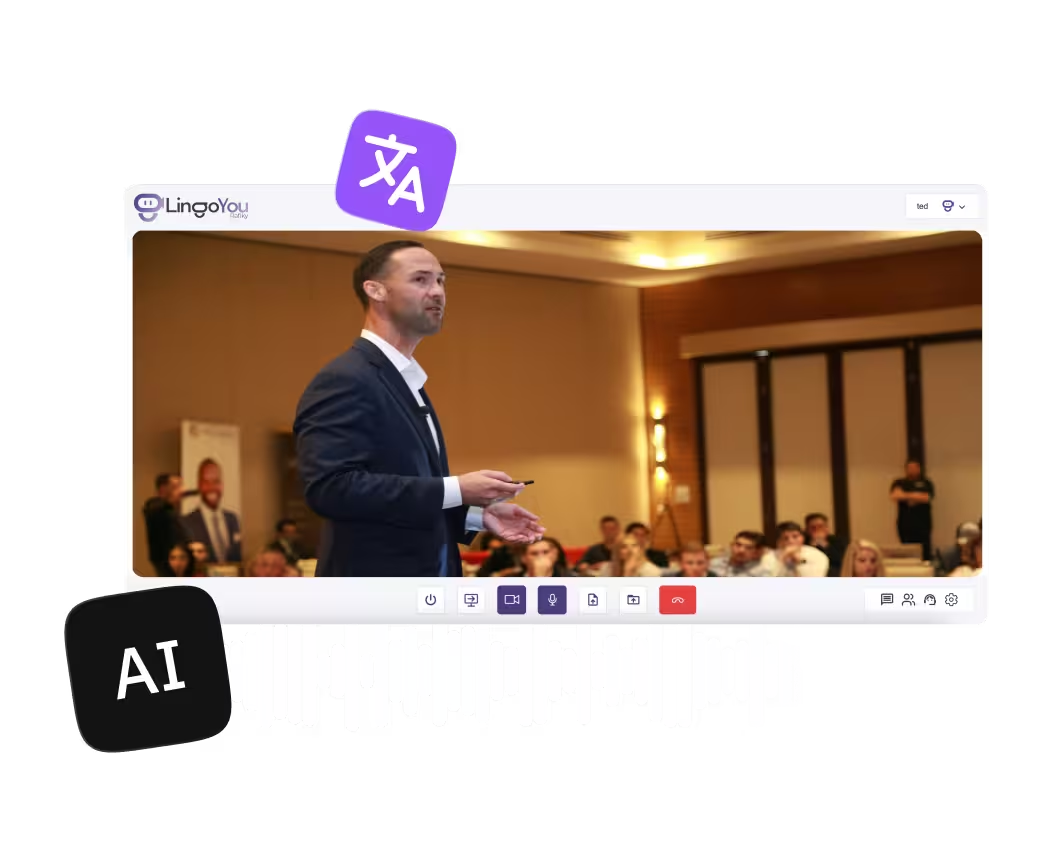
Fora Soft joined the project in October 2024 to tackle audio problems in the existing platform. We fixed issues affecting live interpretation, developed an AI-powered voice translation feature, and provided technical support during real events.
Simultaneous interpreting is a tricky job for audio software. Unlike a normal video call, where people usually take turns speaking, an interpreter has to listen and talk at the same time.
That overlap creates challenges for audio processing. If the software can't handle it properly, parts of the interpretation can become distorted or disappear.
Rafiky was experiencing problems with interpreter audio that made speech difficult to follow. And when someone is relying on an interpreter to understand a presentation, even short interruptions matter.
The client needed these issues resolved without rebuilding a platform that already supported complex multilingual events.
Our first job was to understand what was going wrong in the existing system.
We set up development and testing environments, investigated the reported audio problems, and fixed the defects affecting interpreter sound.
The work required understanding how real-time audio behaves during simultaneous interpretation, where two people may speak at once and the listener needs to hear the translation clearly.
We focused on solving the problems within Rafiky's existing application, preserving its established conferencing and interpretation workflows.
We also configured the production environment and helped support the platform during live events.
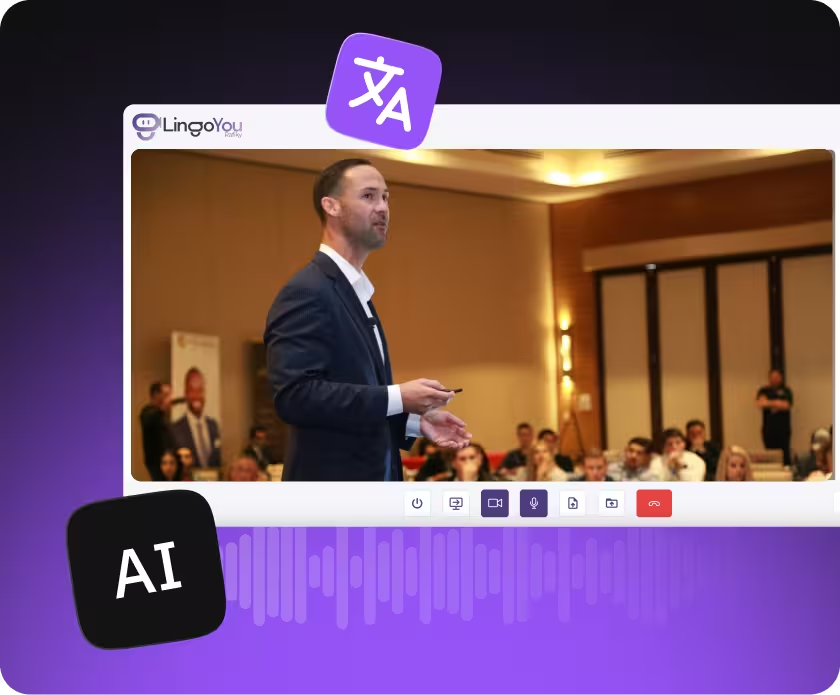
Professional interpreters are at the heart of Rafiky, but finding someone for every language isn't always practical.
The client wanted to explore another option: machine translation that people could listen to during an event.
We developed an AI translation feature that processes spoken content, translates it into another language, and generates a synthesized voice.
The idea was to give event organizers more flexibility in language coverage, allowing AI interpretation to be used for selected languages alongside the platform's existing human interpretation workflows.
We also worked on speech recognition to support the client's language requirements. The feature underwent client testing as part of the development process.
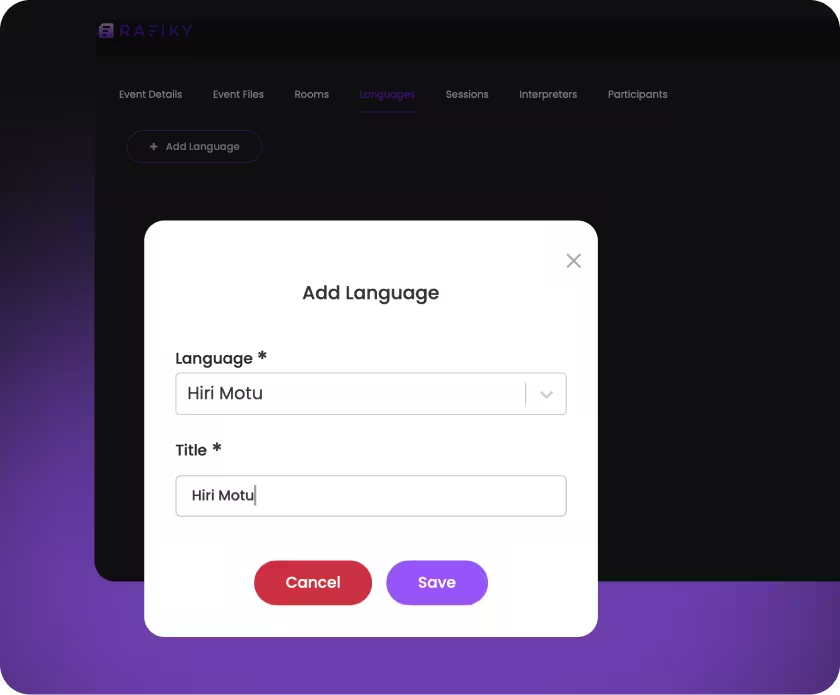
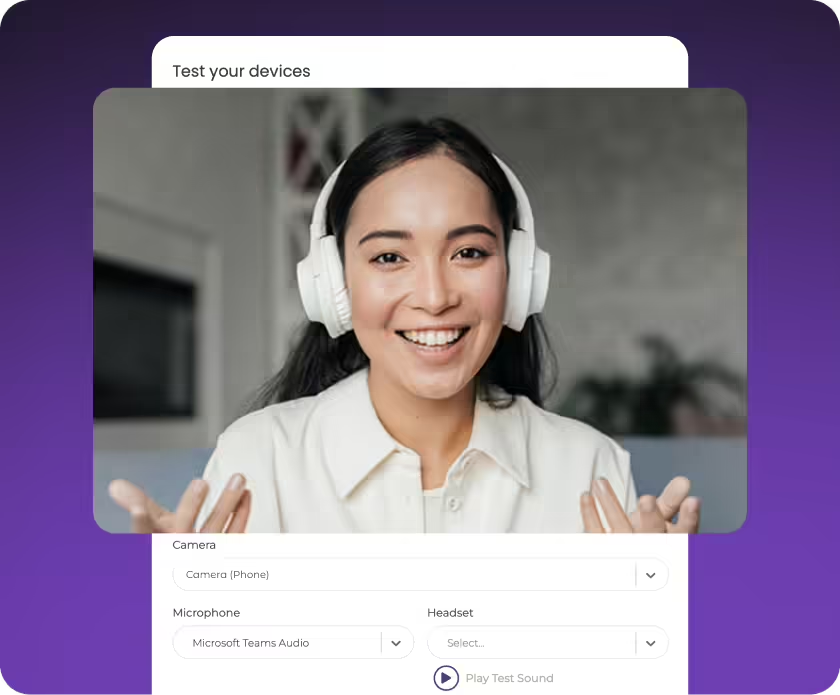
Live events don't leave much room for troubleshooting. If something goes wrong during a conference, people are already watching and listening.
That's why our involvement went beyond development and testing. We also helped with the production setup and provided technical support during events, including on weekends.
This gave us direct exposure to the conditions in which Rafiky was being used and allowed us to assist when technical problems needed attention during an event.
Fora Soft's contribution focused on three areas:
The project was about improving an established product where it mattered most: helping people hear and understand one another during multilingual events, while giving the client another option for expanding language coverage.

You get a realistic estimate, technical recommendations and next steps. Free, no obligations.